
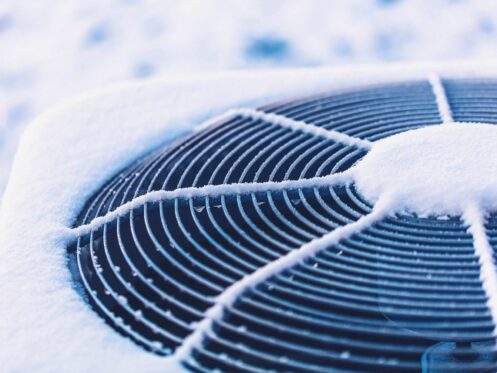
Quick Summary: Cold-Climate Heat Pumps in Minnesota
Cold-climate heat pumps are designed to provide efficient, reliable heating even in Minnesota’s freezing winters. Modern systems can operate in subzero temperatures, delivering steady comfort while reducing energy use. For many homes, they can work on their own or alongside a furnace in a dual-fuel setup for maximum efficiency and reliability.
Heat pumps were once considered a poor fit for cold regions. Early systems struggled in freezing temperatures, which made traditional furnaces the default heating solution for Minnesota homes. That has changed.
Today’s cold-climate heat pumps are specifically engineered for long, harsh winters. With advanced compressor technology and improved cold-weather performance, these systems are now a proven heating option for homes throughout Minneapolis, St. Paul, and surrounding communities.
What Is a Cold-Climate Heat Pump?
A cold-climate heat pump is a high-efficiency heating and cooling system designed to operate effectively in freezing temperatures.
Instead of creating heat by burning fuel, a heat pump moves heat from one place to another. Even cold outdoor air contains usable heat energy. Cold-climate heat pumps are built with specialized components that allow them to extract that heat and deliver it indoors, even when temperatures drop well below freezing.
How Do Heat Pumps Work During Minnesota Winters?
In winter, a heat pump pulls heat from the outdoor air and transfers it inside your home. This process is similar to how an air conditioner removes heat in summer, just in reverse.
Modern cold-climate heat pumps use:
- Variable-speed compressors
- Inverter technology
These features allow the system to adjust output based on outdoor conditions, helping maintain consistent indoor temperatures while improving efficiency.
Dual-Fuel Heat Pump Systems
In extremely cold weather, some homeowners choose to pair a heat pump with a gas furnace. This is known as a dual-fuel system.
- The heat pump handles most heating efficiently
- The furnace provides backup during extreme cold
This approach combines energy savings with dependable performance during Minnesota’s coldest days.
Do Heat Pumps Really Work in Subzero Temperatures?
Yes. Cold-climate heat pumps are designed and tested to operate in very low temperatures, and many systems continue producing heat well below zero.
While no heating system operates at peak efficiency during extreme cold, a properly sized and professionally installed heat pump can maintain comfortable indoor temperatures throughout most of a Minnesota winter. Performance depends on:
- System design
- Installation quality
- Home insulation and air sealing
Benefits of Cold-Climate Heat Pumps for Minnesota Homeowners
Cold-climate heat pumps offer several advantages for homeowners focused on efficiency and comfort.
Improved Energy Efficiency
Because heat pumps move heat rather than generate it, they often use less energy than traditional heating systems during much of the winter. This can help reduce overall utility costs, depending on energy prices and usage patterns.
More Consistent Comfort
Traditional furnaces deliver heat in short, high-output cycles. Heat pumps tend to run longer at lower output levels, which can result in:
- More even temperatures
- Fewer hot and cold swings
- Quieter operation
Many homeowners find this style of heating more comfortable for everyday living.
Heat Pumps vs. Traditional Furnaces
Furnaces produce heat through combustion, making them highly effective during extreme cold. However, that on-off cycling can lead to noticeable temperature fluctuations.
Heat pumps provide a steadier form of heating. In cold climates like Minnesota, dual-fuel systems often deliver the best of both worlds, high efficiency in moderate conditions and reliable performance during extreme cold.
Is a Cold-Climate Heat Pump Right for Your Home?
Heat pumps perform best in homes that are:
- Well insulated
- Properly air sealed
- Equipped with suitable ductwork or designed for ductless systems
Electrical capacity, home layout, and existing equipment also play a role. A professional evaluation helps determine whether a heat pump is a good fit and whether a standalone or dual-fuel system makes the most sense.
Are There Rebates or Incentives for Heat Pumps?
High-efficiency heat pumps may qualify for:
- Federal tax credits
- Utility rebates
- State or local incentive programs
Incentive availability and eligibility change over time, so it’s important to review current programs or consult with a knowledgeable HVAC professional before installation.
What Does Heat Pump Installation Cost?
Installation costs vary based on:
- System type
- Home size
- Electrical upgrades
- Installation complexity
Financing options can help make energy-efficient upgrades more manageable. When evaluating cost, it’s important to consider both upfront investment and long-term operating savings.
Why Proper Installation Matters
Cold-climate heat pumps must be correctly sized and installed to perform as intended. Poor installation can lead to:
- Reduced efficiency
- Comfort issues
- Shortened system lifespan
Working with an experienced contractor who understands Minnesota’s climate is essential for long-term performance.
How Do You Maintain a Cold-Climate Heat Pump?
Regular maintenance helps ensure efficient, reliable operation. Typical maintenance includes:
- Filter replacement
- Coil inspection and cleaning
- Performance testing
Annual service helps prevent unexpected breakdowns and extends equipment life during long heating seasons.
Are Heat Pumps a Long-Term Solution for Minnesota Winters?
Cold-climate heat pumps are no longer experimental. They are widely used in cold regions and continue to improve as technology advances.
For homeowners interested in improving efficiency, reducing emissions, and maintaining steady comfort, heat pumps offer a practical, forward-looking solution, when properly designed and installed for Minnesota conditions.
Making an Informed Heating Decision
Choosing a heating system affects comfort, energy use, and long-term costs. Cold-climate heat pumps expand the options available to Minnesota homeowners, whether as a primary heating system or part of a dual-fuel setup.
Understanding how these systems perform in real winter conditions helps homeowners make confident, informed decisions about their home comfort.